Complete Sewing Kit for Beginners: Everything You Need to Start Your Stitching Journey
A fundamental sewing kit offers the foundation for aspiring sewers commencing their sewing journey. It incorporates key tools, from a reliable sewing machine to keen scissors and measurement tools. Choosing the right fabrics is just as important, as is arranging supplies for streamlining. Understanding these pieces can markedly affect a beginner's engagement. What targeted tools and techniques can refine their prowess and creativity? The answer is discovered in investigating each element of a well-designed sewing kit.
Picking Your Debut Sewing Machine and Vital Tools
When deciding on a first sewing machine, beginners often find that learning fundamental capabilities can markedly enhance their selection process. Essential elements to evaluate include the machine's accessibility, stitch selections, and structural integrity. Beginners appreciate machines with easy-to-navigate interfaces and convenient features, including tension adjustment systems and quick threading.
A lightweight model is often preferable for portability, while a solid construction guarantees extended lifespan. In addition, a variety of stitch patterns allows for innovative design, making the sewing experience more enjoyable.
Understanding the machine's upkeep needs is also essential, as consistent maintenance can extend its lifespan. Ultimately, choosing the appropriate sewing machine can enhance a novice's abilities, making the journey into sewing both productive and fulfilling. By focusing on these basic elements, beginners can assuredly make informed choices suited for their particular requirements and goals in sewing.
Indispensable Tools for Your Complete Sewing Set
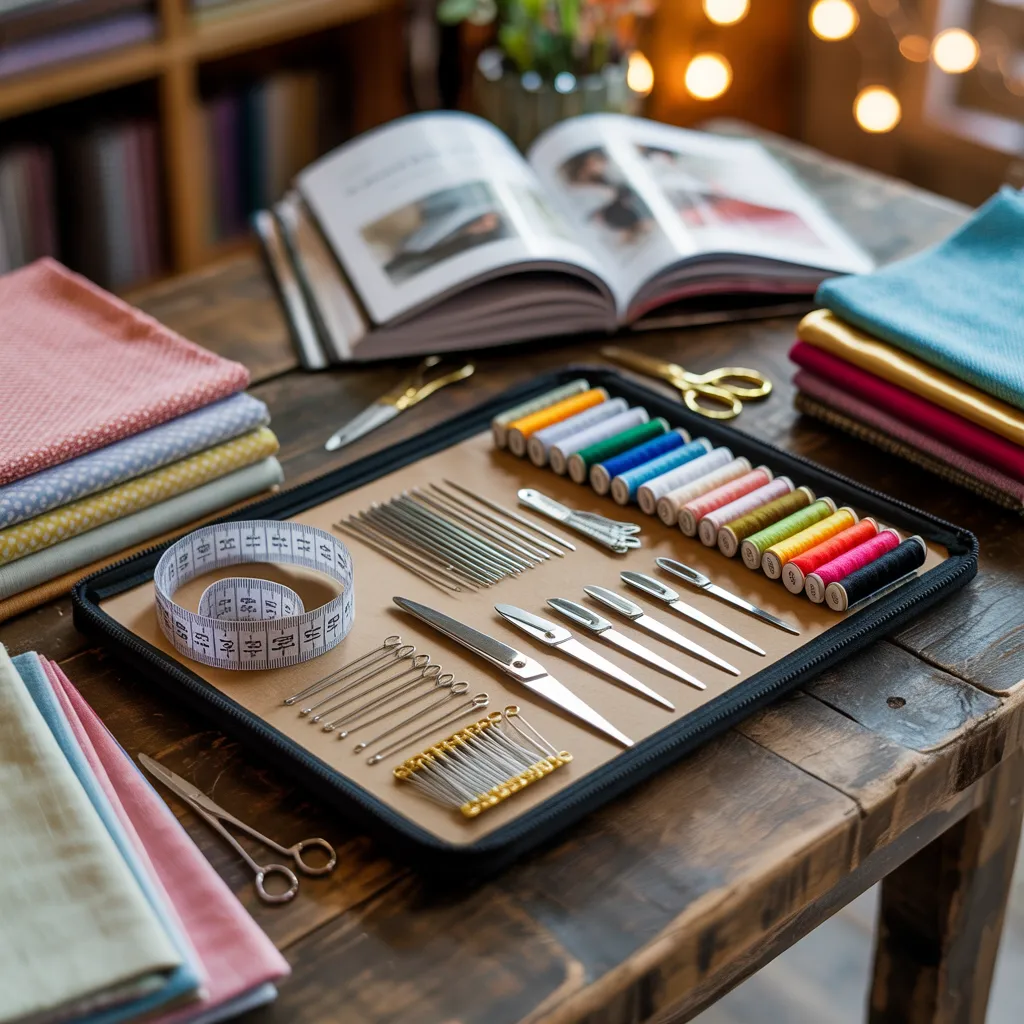
A well-equipped sewing kit is crucial for any beginner seeking to start their stitching adventure. Key tools consist of a pair of keen fabric scissors, which guarantee precise cuts, and a rotary cutter for accurate, uniform lines. Pins and a pin cushion are essential for securing fabric pieces together, while a tape measure helps achieve exact dimensions. A seam ripper is invaluable for fixing errors, enabling novices to improve with confidence and without anxiety about lasting mistakes.
Furthermore, a collection of hand-sewing needles and a variety of machine needles cater to various materials and projects. Colored thread in multiple shades offers flexibility for creations. To conclude, a marking instrument, such as tailor's chalk or fabric markers, aids in transferring patterns accurately. Together, these essential implements create a base that equips beginners to express their creative vision and build confidence in their stitching abilities.
Best Fabrics for Beginners
Determining the ideal fabric can substantially boost a beginner's sewing experience, as some materials are easier to work with than others. Cotton cloth is often recommended because of its softness, breathability, and ease of handling. It is available in diverse patterns and weights, creating it as multipurpose for assorted endeavors. Another superb option is flannel, which proves mild on the epidermis and excellent for comfortable creations including blankets and pajamas.
For folks seeking to explore, knit fabrics deliver flexibility and coziness, great for t-shirts and leggings. However, newcomers must start using stable knits, as they are easier to handle. Additionally, linen, while rather challenging, can be worthwhile for its ventilation and graceful movement.
Ultimately, the top materials for novices are those that offer a tolerant sewing process, enabling novice stitchers to build confidence and skills without unneeded frustration.
Essential Stitching Accessories for Novices
As you journey through sewing, beginners stand to gain greatly from essential accessories that enhance their growth. Understanding the essential equipment, supplemented by the basics of fabric and thread, lays a robust base for success. Additionally, incorporating useful stitching resources can streamline endeavors and amplify confidence in their skills.
Must-Have Utilities Analysis
For sewing fans beginning their artistic journey, having a well-equipped toolkit is necessary to ensure success. Key tools include a trusted pair of scissors that should be sharp and reserved exclusively for fabric to deliver clean cuts. A seam ripper is vital for rectifying mistakes, with pins and a pincushion assisting in holding fabric pieces together during assembly. Measuring instruments like a tape measure and clear ruler facilitate exact cutting and stitching. A high-quality sewing machine is essential, along with its accessories such as a presser foot and bobbins. Furthermore, a fabric marker or chalk is useful for marking lines without damaging the material. Altogether, these tools form a strong foundation for any beginner's sewing endeavors.
Fabric and Thread Introduction
Fabric and thread form the cornerstone of any sewing project, making it crucial for beginners to grasp their characteristics and uses. Fabrics come in multiple varieties, such as cotton, linen, and polyester, each offering unique qualities like breathability, durability, and ease of care. Beginners should pick fabric based on the desired project; lightweight fabrics are suitable for garments, while heavier ones work well for home decor.
Thread, typically made from cotton or polyester, should match the fabric in mass and tone. Grasping thread types, such as all-purpose or specialty threads, is vital for obtaining the best outcomes. By learning these basics, beginners can assuredly choose the right materials, creating a solid foundation for their sewing journey.
Helpful Sewing Notions
A properly assembled sewing kit can enhance the process for beginners embarking on their creative path. Important stitching supplies enhance results and streamline operations. First, a set of sewing scissors is crucial for clean cutting. A measuring tape provides precise dimensions for your projects. Pins and a pincushion assist in securing fabric, while fabric marking tools allow accurate marking. A seam ripper is crucial for undoing errors, and a needle threader can minimize difficulty when inserting thread. Additionally, an assortment of needles, including universal and ballpoint, work with different materials. Finally, a basic sewing gauge assists with hem dimensions and allowances for seams, ensuring it's essential for any starter's sewing collection.
Organizing Your Sewing Supplies Efficiently
Careful arrangement of sewing supplies is critical for beginners to improve their crafting experience. Leveraging effective storage solutions can facilitate access to materials, while sorting tools efficiently guarantees that everything is easy to find. By executing these plans, novice sewists can create a more rewarding and productive workspace.
Storing Options for Inventory
Tidying sewing supplies might convert a cluttered workspace into a creative and efficient environment. Good storage options are important for beginners seeking to refine their sewing experience. Clear plastic bins allow visibility and easy access to fabric, threads, and tools. Drawer organizers help in separating smaller items, such as buttons and needles, preventing them from getting lost. A pegboard acts as a adaptable method for hanging tools, allowing quick retrieval and maximizing vertical space. Moreover, marked containers can assist in finding supplies quickly, reducing frustration. Putting money into a dedicated sewing cart can also improve organization, helping you transport materials between projects. In the end, a well-organized sewing area stimulates inspiration and productivity.
Organize Your Tools Effectively
Proper sorting of sewing tools enhances both productivity and ease of use for beginners. To streamline their sewing experience, novices can organize tools into specific categories. Essential items like scissors, pins, and measuring tapes should be easily accessible in a designated space. Sewing notions, such as buttons and zippers, can be stored in small containers or divided sections of a larger box. Fabric should be organized by type or project, allowing for quick selection. Additionally, keeping patterns and instructional materials in a separate folder helps maintain clarity. By applying these organizational strategies, beginners can minimize frustration and maximize creativity, paving the way for a successful sewing journey. Effective categorization ultimately transforms a cluttered workspace into a functional, inspiring environment.
Preserving Your Sewing Kit and Tools
To maintain a sewing kit in optimal shape, routine upkeep is crucial. First, tools such as scissors and rotary cutters should be cleaned and sharpened periodically to guarantee precise cutting. Dust and fabric lint can build up, so wiping down surfaces and organizing tools helps preserve functionality.
Placing needles in a secure case prevents wear and preserves their sharpness. Additionally, it's important to review thread spools for matting or snaps, exchanging any that are worn.
Fabrics need to be kept in a dry, cool place to avoid deterioration or mildew. Regularly checking the kit's contents allows for identifying any view now absent pieces or tools that need replacing.
Lastly, documenting the sewing kit's inventory can help track usage and confirm that essential tools are always on hand. By committing to these methods, newcomers can enjoy a properly maintained sewing kit that supports their creative journey.
Frequently Requested Questions
Which Thread Should I Use for My Creative Endeavors?
Determining the best thread involves considering fabric type, weight, and intended use. Cotton performs for natural fabrics, while polyester is versatile. Always coordinate thread color closely to fabric for a seamless appearance in projects.
What Is the Optimal Method to Learn Sewing Techniques?
The ideal approach to acquiring sewing techniques demands integrating hands-on practice with instructional materials. Online tutorials, sewing classes, and books deliver structured guidance, while frequent practice strengthens skill and fosters confidence in executing various techniques.
Is Stitching Feasible Minus a Sewing Device?
Yes, one can sew without a needle and thread kit. Hand sewing techniques, such as running stitches and backstitches, allow for effective fabrication of garments and projects, making it a viable option for those preferring hands-on approaches.
How Do I Fix Common Sewing Machine Issues?
To resolve typical stitching issues, one should check for thread jams, ensure correct thread placement, modify thread tension, maintain regular cleaning, and refer to the instruction guide for detailed problem-solving guidance, securing optimal operation.
Which introductory ventures should I tackle initially?
Beginner tasks should incorporate easy pieces like pillowcases, tote bags, or basic skirts. These projects help strengthen confidence and skills, letting new sewers to hone techniques while producing practical and delightful items.